Civil Engineering is the foundation for civilization of mankind. Civil Engineering is a unique design thinking professional discipline dealing with planning, designing, constructing, and maintaining the natural environment for sustainability.
Civil Engineering is the foundation for civilization of mankind. Civil Engineering is a unique design thinking professional discipline dealing with planning, designing, constructing, and maintaining the natural environment for sustainability. Civil Engineers are responsible for National building infrastructures like shelter, roads, bridges, skyscrapers, canals, tunnels, harbours, dams, other big structures, etc., Civil Engineering has been playing a unique role in the national development. The era recognized Civil Engineers as the creators of wonders with the technological development.
There are many areas of specialization in Civil Engineering such as Coastal Engineering, Earthquake Engineering, Environmental Engineering, Structural Engineering, Transportation Engineering, Urban Engineering, Water Resources Engineering, etc. Some of the other diversified specializations include Geo- Informatics Engineering, Geosciences Engineering and Materials Engineering. The job opportunities are plenty in domain specialization like Engineering, Management, Administration, Procurement, Marketing, Design, Software, Research and Development etc.
The recent statistics say that the requirement for employment in Civil Engineering will grow by 11 percent over the next ten years, faster than the average of all occupations. As India is a fast-developing country, Civil Engineers will play a specific role in executing projects to build, rehabilitate upgrade and upkeep in several domains viz. bridges, roads, railways, dams, airports, buildings, other structures etc., Government jobs in the Civil Engineering sector include Public Works Department (PWD), Railways, Irrigation, State Development Authorities, Electricity Board and in Defence Forces. As per National Skill Development Council (NSDC), road and rail construction projects will require double the manpower. According to a new research report by Global Market Insights, Inc., Civil Engineering market is expected to reach USD 11.72 trillion by 2025 (Ocean View, Delaware, Oct. 31, 2016-GLOBE NEWSWIRE). In the emerging developments, Airport facilities between the cities and countries are envisaged in a big way. The Indian government will be coming up with 100 airports in the next 15 years at an estimated cost of Rs 4 lakh crore.
The manpower requirement will increase in many folds because of these projects. Some organizations offer high salaries for their new innovation and nature of the projects. The experience in project management, material utilization, asset control and manpower management will enhance the pay band of individuals. For the enterprising minds, by being a Proprietor of an organization, working as a consultant or contractor for government and private projects, working as site engineer, surveyor, project manager, quality control engineer, billing engineer, structure designer etc., can make this profession a lucrative one.
Although, creativity is more often associated with Architects, Civil Engineers definitely have their own unique variety of this characteristic. In fact, creativity takes place in the Civil Engineering world on a daily basis as the profession revolves around versatile projects with unique challenges and requirements with the population growth and environmental changes, technological advancements in the areas such as Building Information Modelling (BIM), Cloud and Mobile Technology, Drones or Unmanned Aerial Vehicles, Virtual Reality, Augmented Reality, 3D Printing, Artificial Intelligence, Robotics, Exoskeletons, Autonomous Vehicles, Advanced materials, the Intelligent Built Environment, Machine Learning, Prefabrications, Predictive Analytics, Software and Data Ecosystem, use of GPS, New Scanning Solutions, Timber Constructions, Wearable Technology, Smart Building, Modular Construction, 3D printed Dwellings, Home Analytics, the Civil Engineers will stand tall in the development of the world.


To be recognised in Civil Engineering through quality education, research and innovation for the sustainable developments of the society
PEO 1: Acquire adequate knowledge in the core areas of Civil Engineering, with relevant communication and presentation skills and excel in their chosen profession
PEO 2: Engage in research activities, conduct innovative studies and contribute to advancement of knowledge in the fields of Civil Engineering
PEO 3: Exhibit commitment to ethical behavior and integrity, upholding professional and moral values in their profession
PO 1. Engineering knowledge: Apply knowledge of mathematics, natural science, computing, engineering fundamentals and an engineering specialization as specified in WK1 to WK4 respectively to develop to the solution of complex engineering problems.
PO 2. Problem analysis: Identify, formulate, review research literature and analyze complex engineering problems reaching substantiated conclusions with consideration for sustainable development. (WK1 to WK4)
PO 3. Design/Development of Solutions: Design creative solutions for complex engineering problems and design/develop systems/components/processes to meet identified needs with consideration for the public health and safety, whole-life cost, net zero carbon, culture, society and environment as required. (WK5)
PO 4. Conduct Investigations of Complex Problems: Conduct investigations of complex engineering problems using research-based knowledge including design of experiments, modelling, analysis & interpretation of data to provide valid conclusions. (WK8)
PO 5. Engineering tool usage: Create, select and apply appropriate techniques, resources and modern engineering & IT tools, including prediction and modelling recognizing their limitations to solve complex engineering problems. (WK2 and WK6)
PO 6. The engineer and the world: Analyze and evaluate societal and environmental aspects while solving complex engineering problems for its impact on sustainability with reference to economy, health, safety, legal framework, culture and environment. (WK1, WK5, and WK7).
PO 7. Ethics: Apply ethical principles and commit to professional ethics, human values, diversity and inclusion; adhere to national & international laws. (WK9)
PO 8. Individual and collaborative team work: Function effectively as an individual, and as a member or leader in diverse/multi-disciplinary teams.
PO 9. Communication: Communicate effectively and inclusively within the engineering community and society at large, such as being able to comprehend and write effective reports and design documentation, make effective presentations considering cultural, language, and learning differences
PO 10. Project management and finance: Apply knowledge and understanding of engineering management principles and economic decision-making and apply these to one’s own work, as a member and leader in a team, and to manage projects and in multidisciplinary environments
PO 11. Life-Long learning: Recognize the need for, and have the preparation and ability for i) independent and life-long learning ii) adaptability to new and emerging technologies and iii) critical thinking in the broadest context of technological change. (WK8)
PSO 1: Construct civil engineering systems ensuring safety and cost-effective execution.
PSO 2: Develop sustainable and environmental-friendly solutions by adopting green building concepts.
Duration: 4 years (Regular) / 3 Years (Lateral Entry)
No. of Semesters: 8 (Regular) / 6 (Lateral Entry)
Intake / No. of Seats: 60


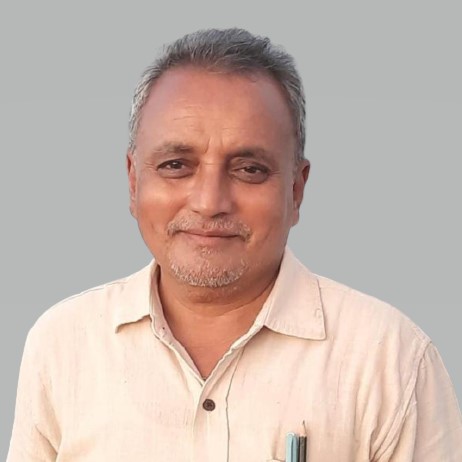

Associate Tech Lead / CE
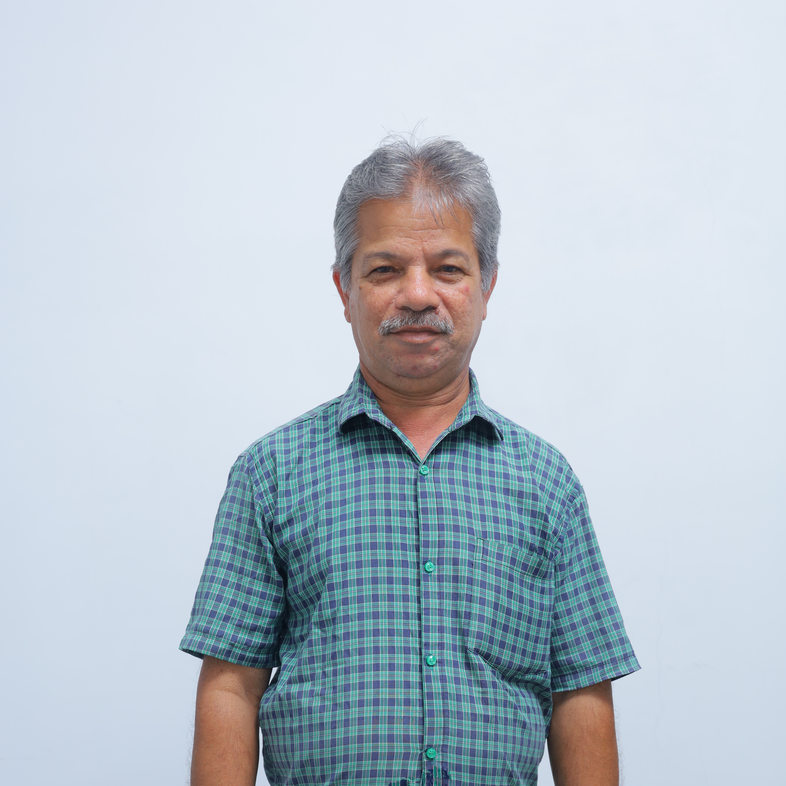
Lab Assistant / CE

Lab Technician / CE

Lab Technician / CE
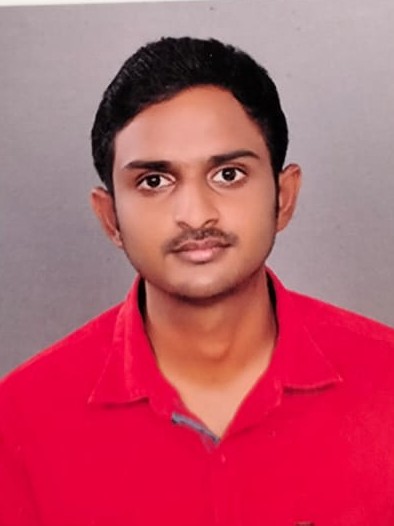
Senior Assistant / CE

Software Trainer / CE




Who can study Civil Engineering at KPR Institute of Engineering and Technology
The candidates must have passed the 12th standard(intermediate) or its equivalent examination from the Government recognized board with the subjects as Physics, Chemistry and Mathematics with the percentage as 45% (for general candidates), 40% (for backward class including Muslim), 40% (MBC & DNC) and 40% (for SC/ST/SCA) candidates.
As the candidates from other states are considered under General Category, a pass with minimum average marks in Physics, Chemistry and Mathematics put together as 45% (General Category)
The candidate should have passed in all the subjects and scored a minimum average of 45% in Physics, Chemistry and Mathematics put together as in General Category
The candidate should have passed in all the subjects and scored a minimum average of 45% in Physics, Chemistry and Mathematics put together
Passed Diploma examination with at least 45% marks (40% marks in case of candidates belonging to reserved category) in ANY branch of Engineering and Technology
Application Link Click Here

Download the strategy document to understand what are the opportunities available for a student at KPRIET

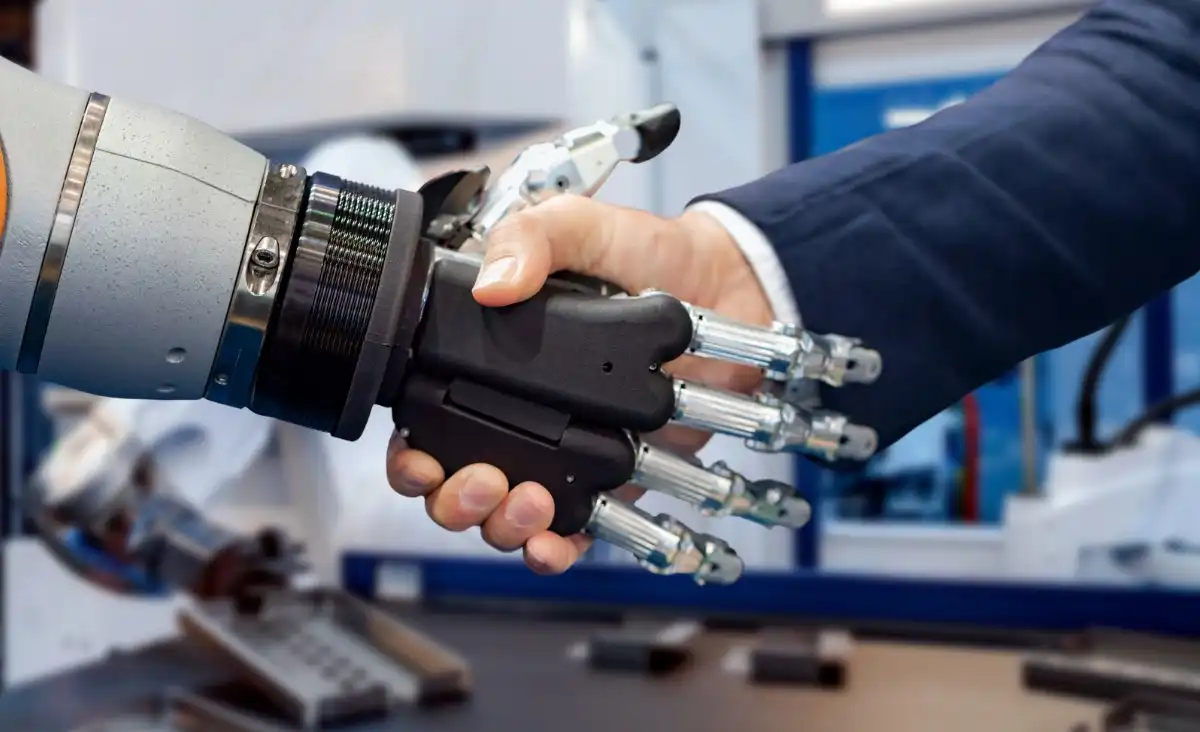

























KPRIET – An AI Integrated Campus
Preparing future-ready engineers with AI-integrated teaching and learning. KPRIET integrates Artificial Intelligence across teaching, learning, research and innovation to create a smarter, future-ready campus experience for students and faculty.