Biomechanics Laboratory, KPR Institute Engineering and Technology, Autonomous Engineering Institution, Coimbatore, India

Laboratory
Biomechanics

Biomechanics Laboratory

The Biomechanics and Rehabilitation Laboratory is a core instructional laboratory of the Department of Biomedical Engineering, designed to provide practical training in biomechanics, human movement analysis, and rehabilitation engineering. The laboratory integrates engineering principles with human movement science to analyze musculoskeletal function, evaluate functional performance, and support the design and assessment of rehabilitation technologies.

Core Areas

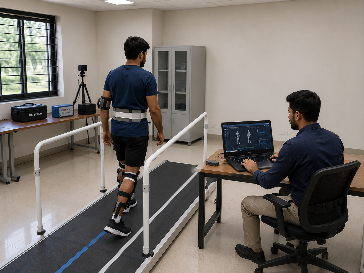
Equipped with advanced biomechanical instrumentation and rehabilitation systems, the laboratory enables students to gain hands-on experience in gait analysis, motion capture, posture assessment, balance evaluation, muscle function analysis, and functional performance measurement. It also supports undergraduate research, prototype development, and engineering applications in assistive technology, rehabilitation devices, and clinical biomechanics.

  • 01Biomechanics
  • 02Rehabilitation Engineering

Instruments on the floor

DTE 01
Evoked Potential Monitoring System
FIG. 01

Virtual Rehabilitation

Virtual Rehabilitation uses Virtual Reality (VR) technology to support the assessment and rehabilitation of patients with movement disorders. It provides interactive exercises that improve balance, coordination, gait, and motor function. The system offers real-time feedback to monitor patient progress and treatment outcomes. It is widely used for neurological and orthopedic rehabilitation, including stroke and sports injury recovery. The technology provides students with practical experience in modern rehabilitation techniques and clinical applications.

DTE 02
Ultrasound Diathermy Unit
FIG. 02

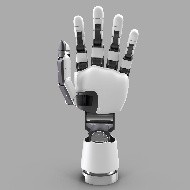
Bionic Kit

Used in biomechanics labs and physical therapy centers to teach upper-limb motion control, muscle signal processing (EMG), and assist patients learning to control prosthetic limbs.

DTE 03
Electrosurgical Diathermy Unit with Analyzer
FIG. 03

Motion capture system

A Motion Capture (MoCap) system uses cameras or sensors to track human body movements in 3D space with high spatial accuracy. The resulting data is mapped onto digital skeletons to analyze biomechanics, animate 3D characters, or evaluate athletic performance.

DTE 04
Ventilator Study Unit
FIG. 04

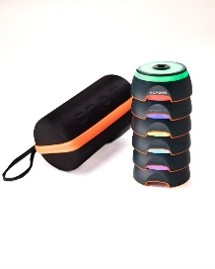
ROPODS SPOT

The ROPODS SPOT device is primarily used in physical therapy, occupational therapy, and Neuro -rehabilitation. It replaces manual, subjective testing with precise digital tracking.

DTE 05
Multiparameter Biotelemetry System
FIG. 05

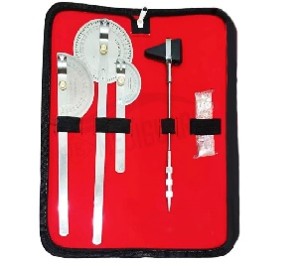
Goniometer

Goniometers are used to manually establish precise baseline joint angles (flexion, extension, abduction) before or after testing on advanced sensor systems.

DTE 06
Audiometer — Air and Bone Conduction
FIG. 06

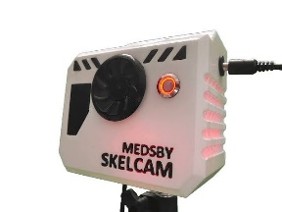
Skelcam

Medsby SkelCam is an AI-powered, camera-based motion tracking system that analyzes human movement directly from video streams—without the need for wearable sensors. It detects and tracks 3D body landmarks in real time, enabling detailed biomechanical analysis.

DTE 07
Shortwave Diathermy Unit
FIG. 07

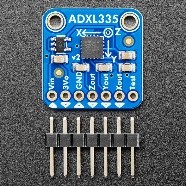
3 Axis Accelerometer Kit

A 3-Axis Accelerometer module measures acceleration forces (gravity or motion) across three orthogonal directions: the X-axis (left/right), Y-axis (front/back), and Z-axis (up/down).

DTE 08
Hemodialysis Machine Study Unit
FIG. 08

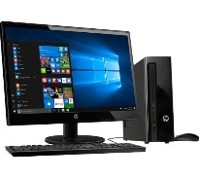
Computer

Computers in a biomechanics lab process motion capture data, run musculoskeletal simulations, and calculate joint forces. They turn raw video or sensor signals into clear measurements of human movement

DTE 09
Heart Lung Machine Study Unit
FIG. 09

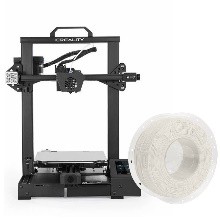
3d Printer

A 3D printer in a biomechanics and rehabilitation laboratory is used to design and manufacture customized models, prototypes, and assistive devices. It enables students to fabricate anatomical models, develop biomedical components, test design concepts, and support research in rehabilitation engineering and medical device development

DTE 10
Digital Spirometer
FIG. 10

Force Plate

A force plate (or force platform) is a biomechanical measuring tool designed to measure the forces exerted on the ground when a person stands, walks, jumps, or moves on top of it. While an accelerometer measures the acceleration of an object attached to it, a force plate measures the Ground Reaction Force (GRF) underfoot—based on Newton's Third Law (for every action, there is an equal and opposite reaction).

Admissions 2026 - 2027

Enquire Now

Looks good!
Full name is required.
Looks good!
Please enter a valid email address.
Looks good!
Required field.
Looks good!
Valid phone number is required.
Required field.
Required field.
Required field.
Required field.
Looks good!
Cut-Off is required.
Looks good!
Cut-Off is required.
Required field.
Required field.
GENERAL ENQUIRIES
Get in touch with an academic advisor at KPR Institute of Engineering and Technology with any questions you have about programs, applications, curriculum and important dates.
Click here for general enquiries
Monday to Saturday, 09:00 am to 04:00 pm (Indian Standard Time)